Short answer: Don’t assume a Joy Organics CBD capsule or softgel is vegan just because it contains hemp or carries an organic claim. The deciding detail is the shell: some capsules use animal-derived gelatin, while others use plant-based materials. Product names and formulas can change, so check the package for the specific product and strength you’re considering—or ask Joy Organics for written confirmation.
This matters whether you’re looking at a 25 mg CBD capsule, a softgel, or another CBD format. The active hemp extract may be plant-derived, but the shell and inactive ingredients can change the answer. As someone who has spent years reading supplement labels, I always check the capsule shell before I get interested in the active ingredients.
Below, we’ll look at how to assess Joy Organics vegan capsules, what USDA organic certification does—and doesn’t—tell you, and how to use batch lab reports and a certificate of analysis (COA) responsibly.
Are Joy Organics CBD capsules vegan?
The most accurate answer is: verify the exact product’s current label and capsule material before buying. “Capsule” describes a delivery format, not what it’s made from. A hard capsule may have a gelatin shell, a plant-based shell, or another material. A softgel may also be made with gelatin or with a vegan alternative.
That means you shouldn’t use the words “CBD,” “hemp,” “organic,” or even “softgel” as proof that a product is vegan. If Joy Organics identifies a particular SKU as vegan, look for that claim on the current product page or packaging and check whether it applies to the exact strength and format you plan to purchase. Formulas can differ between products and change over time.
If the label doesn’t identify the shell material, that’s not a detail to fill in by guessing. Contact the company and ask directly. A useful question is: “Does this exact product and strength use any animal-derived ingredients in the capsule shell or in the formula, including gelatin, glycerin, or processing aids?”
Why capsule and softgel shells matter
Gelatin shells
Gelatin is made from collagen, usually sourced from animal tissues. It commonly appears in traditional capsules and softgels. If a label lists “gelatin,” the product is not vegan, regardless of whether the CBD itself is hemp-derived or the hemp is organically grown.
Plant-based shells
Vegan capsules may use plant-derived materials such as modified starch or cellulose-based ingredients. Some plant-based softgels use ingredients such as tapioca-derived starch or other gelling agents. But a shell that sounds plant-like isn’t automatically a confirmed vegan shell: the full formulation and manufacturing details matter.
Other ingredients to check
Pay attention to the entire ingredient list, not just the first few items. Ingredients that may need clarification include:
- Glycerin: It can be derived from plants or animals. The ingredient name alone may not reveal its source. Flavorings: “Natural flavors” can be vague. Ask the brand whether they contain animal-derived ingredients if the source is not specified. Colorants and coatings: Some are animal-derived, while others are plant- or mineral-based. Processing aids: They may not always be obvious from the consumer-facing ingredient list. Ask whether animal-derived aids are used in the finished product.
These are questions about ingredient sourcing, not a reason to assume any particular ingredient is non-vegan. When the label is unclear, a straight answer from the manufacturer is better than a confident guess from a retailer or an old review.
What “organic” means—and what it doesn’t
USDA-certified organic CBD and vegan CBD are not interchangeable claims. USDA organic certification relates to agricultural production and handling standards. It does not, by itself, certify that a capsule shell, flavor, or other ingredient is free of animal-derived materials.
In other words, a product can be organic without being vegan, and a vegan product need not be organic. If organic sourcing is important to you, check the product’s certification details and the scope of the claim. If vegan sourcing is important, check the ingredient list and look for credible vegan verification separately.
Also distinguish between a product that contains organically sourced ingredients and one that is represented as USDA-certified organic. Read the label and product information carefully; don’t treat the word “organic” in a product name or description as proof of a particular certification.
What a vegan claim can—and cannot—tell you
A vegan claim is useful, but the words on a product page are not all the same as independent verification. A company may describe a product as vegan based on its ingredient sourcing and manufacturing information. That can be meaningful, especially when the company answers detailed questions, but it is different from certification by an outside organization.
Certified Vegan is a third-party vegan certification program. When a specific product carries a valid Certified Vegan mark, that offers additional assurance that the product meets that program’s criteria. Check that the mark applies to the product you’re buying, rather than assuming a brand-level statement covers every item in its range.
Certification has limits, too. Vegan verification is not the same as a guarantee that a CBD product is effective, accurately dosed, Browse around this site free of every possible contaminant, or permitted in every sport. It addresses vegan criteria. For other concerns, look for appropriate product testing and consult a qualified clinician when needed.
How to check Joy Organics vegan capsules before you buy
Match the exact product. Confirm the name, strength, and format. A 25 mg capsule and a softgel are not necessarily made the same way. Read the current label. Look for the shell material and scan the complete ingredient list, including inactive ingredients. Look for product-specific vegan verification. If you see a Certified Vegan mark, confirm that it applies to that particular product. Ask Joy Organics about anything unclear. Specifically ask about gelatin, the source of glycerin, natural flavors, and manufacturing aids. Check the batch documentation separately. Review batch lab reports and the certificate of analysis (COA) for information about the tested CBD product and its cannabinoid profile. These documents do not, by themselves, establish that a capsule shell is vegan. Recheck when you reorder. Packaging and formulas can change, so don’t rely indefinitely on an old product page, review, or photo.What batch lab reports and a COA can tell you
A batch lab report or COA is most useful when it matches the specific lot you’re purchasing and comes from a laboratory identified in the documentation. Depending on the report, it may show cannabinoid content and results for certain contaminants or other tested markers. Read what is actually included rather than assuming every COA covers the same tests.
For a CBD capsule, this is separate from the vegan question. A COA may help you assess lab testing for the hemp extract or finished product, but it generally won’t confirm whether the shell is gelatin or whether glycerin is plant-derived. For vegan status, rely on the ingredient declaration, product-specific certification, and a clear manufacturer response.
Athleisure Mag readers who use supplements around training may have another question: sport testing. A COA is not automatically a sport-certification document, and a vegan claim says nothing about prohibited substances. If you compete under anti-doping rules, check whether the product has an appropriate https://highstylife.com/can-a-product-be-organic-but-not-vegan/ sport-specific certification and understand that no supplement can be guaranteed risk-free solely because it is tested.
Quick label-reading guide
What you see What it tells you What to check next “Gelatin” in the ingredients The shell or formula includes an animal-derived ingredient. Choose another product if you require a vegan formula. “Plant-based capsule” or a named plant-derived shell material The shell may be plant-based. Check the complete formula and ask about other animal-derived ingredients. “Vegan” on a product page The company is making a vegan claim. Check that it applies to the exact product and look for third-party verification. USDA organic language or seal It relates to organic production and certification, as applicable. Do not treat it as proof of vegan status. Batch lab report or COA It provides results for the tests listed in that document. Confirm the lot number and remember it does not usually verify capsule-shell sourcing.Bottom line: Are Joy Organics vegan capsules a safe assumption?
No—don’t assume that every Joy Organics capsule or softgel is vegan based on the brand, the CBD, or an organic claim. The shell material and full ingredient list are what matter. For Joy Organics vegan capsules, verify the exact product and strength, look for product-specific third-party vegan verification such as Certified Vegan, and contact Joy Organics if the label leaves any sourcing question unanswered.
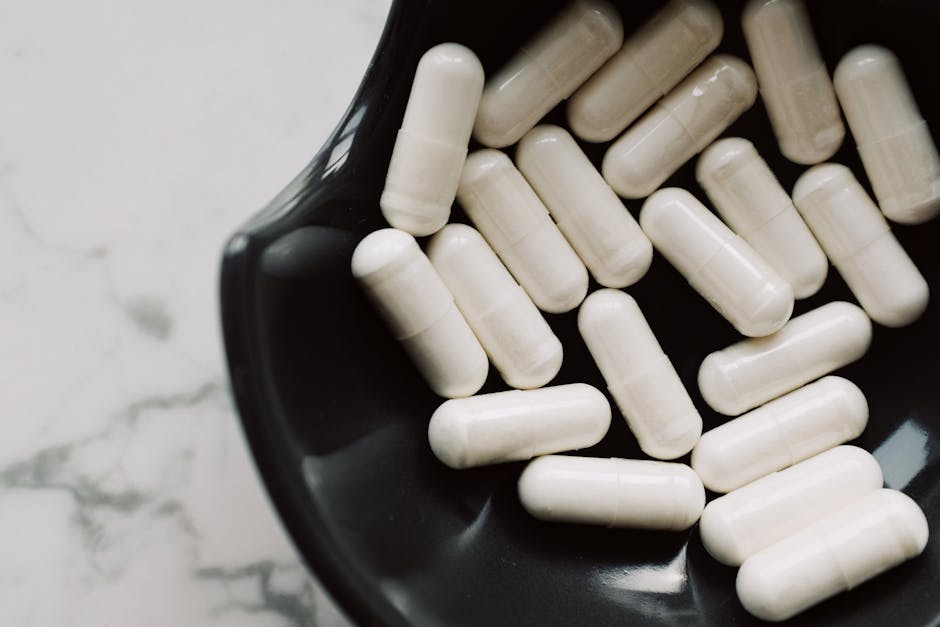
If you’re also seeking USDA-certified organic CBD, confirm that certification independently. And if you’re comparing a 25 mg CBD capsule with another format, check the current label rather than relying on a general description. A little label-reading—and one direct email when the shell material is missing—can prevent a lot of guesswork.
